How to Plan and Budget for Your Construction Project
Every successful construction project begins long before the
first brick is laid — it starts with careful planning and
budgeting. Without a solid financial roadmap, even the best
design can falter under unexpected costs or mismanagement. In
this guide, we break down the key steps to plan, budget, and
execute your construction project with confidence.
1. Define Your Project Scope
The foundation of any good budget is a clear scope. Before
crunching numbers, define what you want to achieve: the size
of the project, desired features, timeline. A well‑defined
scope prevents scope creep — the gradual expansion of project
requirements that leads to rising costs. Include functional
requirements (e.g., number of rooms, facilities, or features)
and design intent (aesthetic preferences, finishes,
materials). The clearer the scope, the more accurate your
budget will be.
2. Conduct a Feasibility Study
Before diving into budgets, evaluate whether your project is
feasible. A feasibility study assesses site conditions,
regulatory requirements, and market factors. It answers
crucial questions: Is the land suitable? What are the zoning
restrictions? How will utilities be managed? This step ensures
your budget isn’t wasted on a plan that can’t be built. By
understanding external factors upfront, you save time, money,
and avoid painful redesigns later.
3. Develop a Preliminary Budget
Your preliminary budget is an early cost model based on rough
estimates, historical data, and project benchmarks. This is
not your final number but a working estimate that guides
decision‑making. It should include construction costs
(materials, labor, subcontractors), soft costs (permits, legal
fees, design fees), and allowances for contingencies.
At this stage, engage with professionals — architects,
engineers, or cost estimators — who can provide insight into
realistic figures. Their expertise helps refine assumptions,
identify cost drivers, and balance design aspirations with
budget realities.
“A sound budget does more than track numbers — it gives
direction, enforces discipline, and turns intention into
measurable action. In construction, budgeting is the bridge
between idea and delivery: it allocates resources
deliberately, anticipates risks, and keeps every stage
accountable so design goals become completed works on time
and within cost.”
John C. Maxwell
- SilverCloud Group
4. Break Down Costs into Categories
Breaking down costs into clear categories improves
transparency and control. Common categories include:
Direct Costs:
Materials, labor, and subcontractor fees.
Indirect Costs:
Site management, temporary facilities, insurance.
Soft Costs: Design fees, permits,
approvals, and legal costs.
Contingency: Funds set aside for
unforeseen expenses.
Escalation:
Allowances for inflation and market price changes.
This structure makes it easier to track spending and spot
overruns early. For larger projects, cost breakdowns should
follow industry standards such as CSI MasterFormat or RICS
classifications.
5. Build a Realistic Timeline
Time is money in construction. A well‑planned schedule aligns
activities with financial planning, ensuring cash flow keeps
pace with progress. Delays often result in cost escalation —
labor charges, equipment rentals, and penalties.
Start by identifying major milestones: design completion,
permitting, site prep, foundation, structure, finishing, and
handover. Each milestone should have realistic durations and
dependencies. Use project management tools (like MS Project or
Primavera) to create a Gantt chart that visualizes the
timeline. This helps coordinate trades, reduce idle time, and
keep budgets on track.
6. Monitor and Adjust the Budget
Even the best budget is not static. is dynamic, costs can
shift due to material shortages, regulatory ch , or weather d
. Continuous monitoring ensures your budget reflects reality.
Set up a cost trac system — spreads for small projects or
specialized software for larger o . Com planned vs. actual
costs regularly. deviations occur, i promptl and take
corrective action. Transparency with stakeholders at every
stage builds trust and reduces disputes. Remember: catching
problems early is always cheaper than fixing them late.
7. Risk Mana & Contingency Pla
Construction is full of uncertainties — soil conditions,
supply chain issues, design changes. Ignoring risk is one of
the fastest ways to blow a budget. Instead, identify risks
early and assign contingency plans.
Conducting thorough site investigations.
Securing multiple supplier and subcontractor quotes.
Adding contingency allowances (5–15% of project costs
depending on complexity).
Using fixed‑price contracts where possible.
Maintaining insurance coverage for unexpected events.
By planning for the unexpected, you ensure your project
remains financially resilient.
Conclusion
Planning and budgeting for a construction project is not a
one‑time exercise but an ongoing process. From defining scope
and feasibility to monitoring budgets and managing risks, each
step contributes to project success. A well‑structured plan
not only saves money but also reduces stress, improves
collaboration, and ensures your vision becomes reality within
time and cost limits.
Orion Construction's insights are spot on. Budget
planning was the hardest part of my own this level of
guidance earlier. The breakdown of cost categories,
plus the importance of contingency planning, is
something most people overlook.
Hi Michael — thanks so much! We’re glad the breakdown
helped. If you’d like, we can walk you through a
personalized budget plan for your next project — just
send us a message.
Excellent breakdown and very readable. The section
about engaging professionals early on really stood out
for me. I hired an architect late in the process and
it ended up costing more time and money. If I had read
this blog earlier, I would’ve handled the project
phases differently. It’s a fantastic resource,
especially for homeowners and small business owners
starting their first build.
I’m currently in the planning phase of a school
renovation project, and this blog post gave me so much
clarity. I’ve been overwhelmed by how many moving
parts are involved, especially when budgeting across
departments. The suggestion to break costs into
smaller categories and revisit them often is extremely
useful.
This piece is excellent — it breaks down a complicated
process into manageable steps. I especially
appreciated the timeline examples and the practical
checklist for each phase; following them helped me
avoid the common trap of overlapping trades and wasted
weekends. If you’re planning your first build, these
guidelines will save time and stress.
Wonderful, thoughtful guidance. The section on
choosing finishes and balancing aesthetics with cost
was a revelation — we changed a material choice
mid-project that preserved the look we wanted without
a major price jump. Also loved the tip about getting
sample boards early; that single step prevented a lot
of buyer’s remorse.
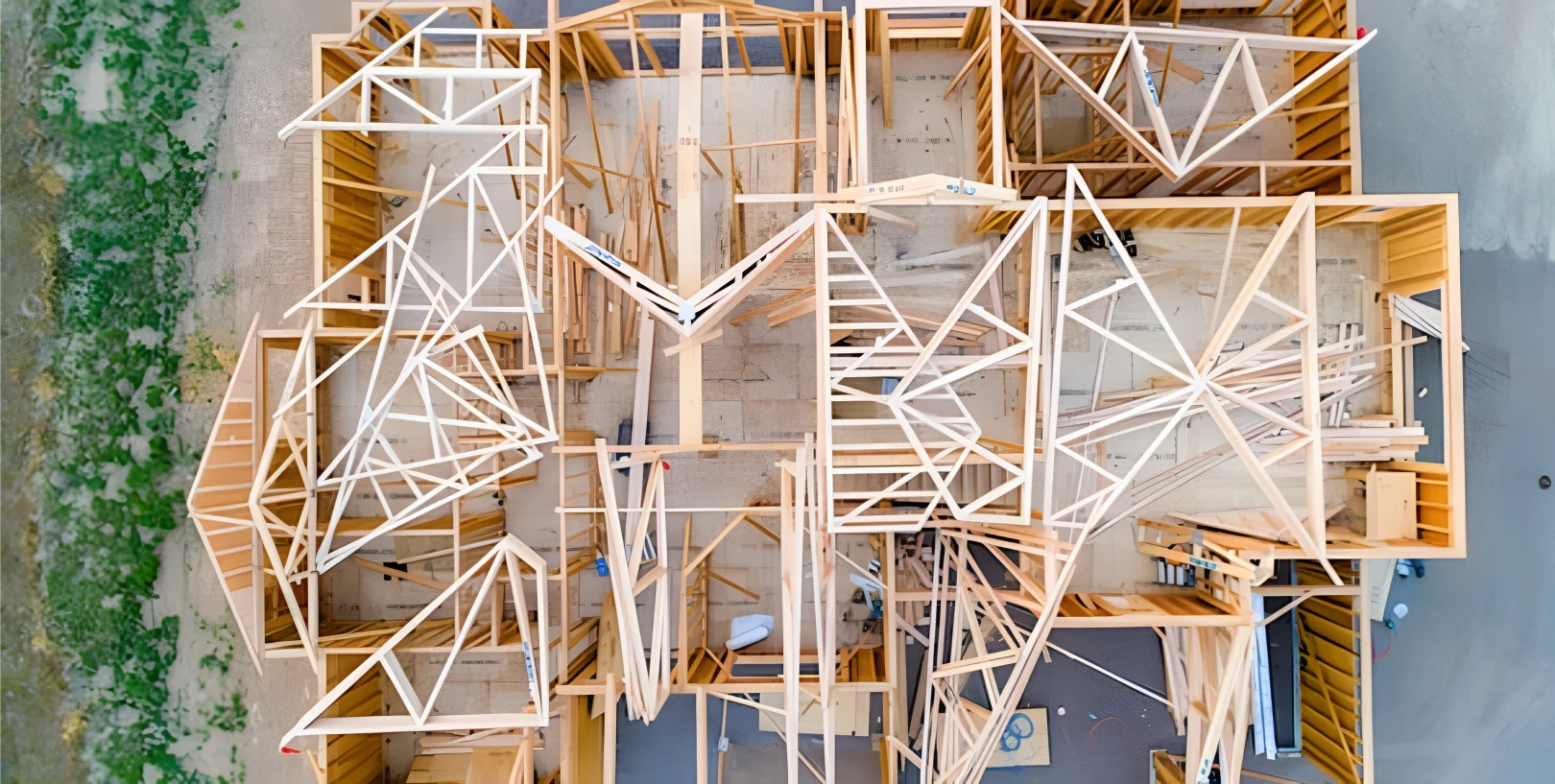
Planning is the foundation of every successful build.
This article walks you through the key steps to
developing a realistic project timeline, allocating
your budget efficiently, and preparing for unexpected
costs.
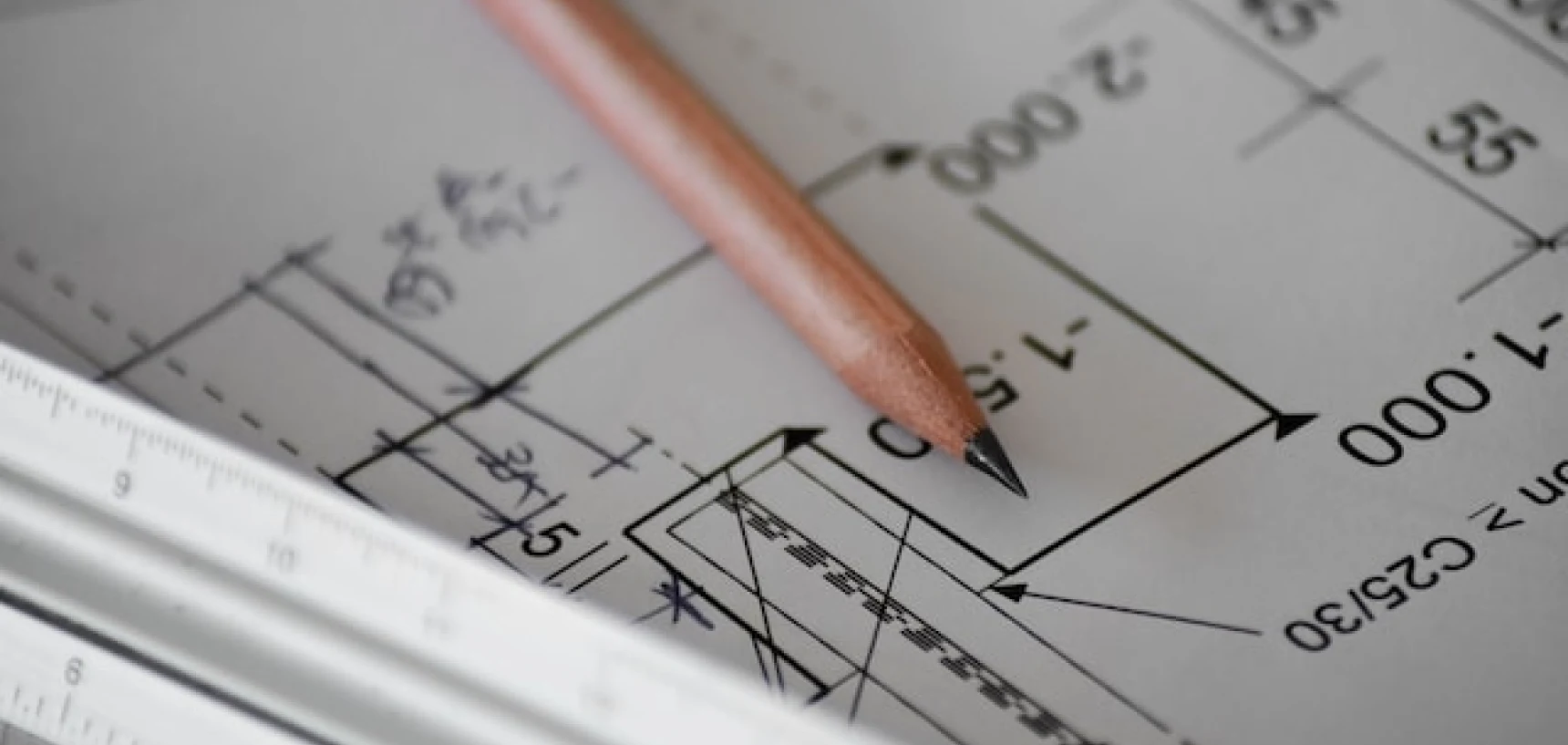
Understanding project costs upfront is crucial to
avoiding delays and overruns. Learn about the
different types of cost estimates, the most common
pricing models, and how to factor in labor, materials,
equipment, permits, and risk.
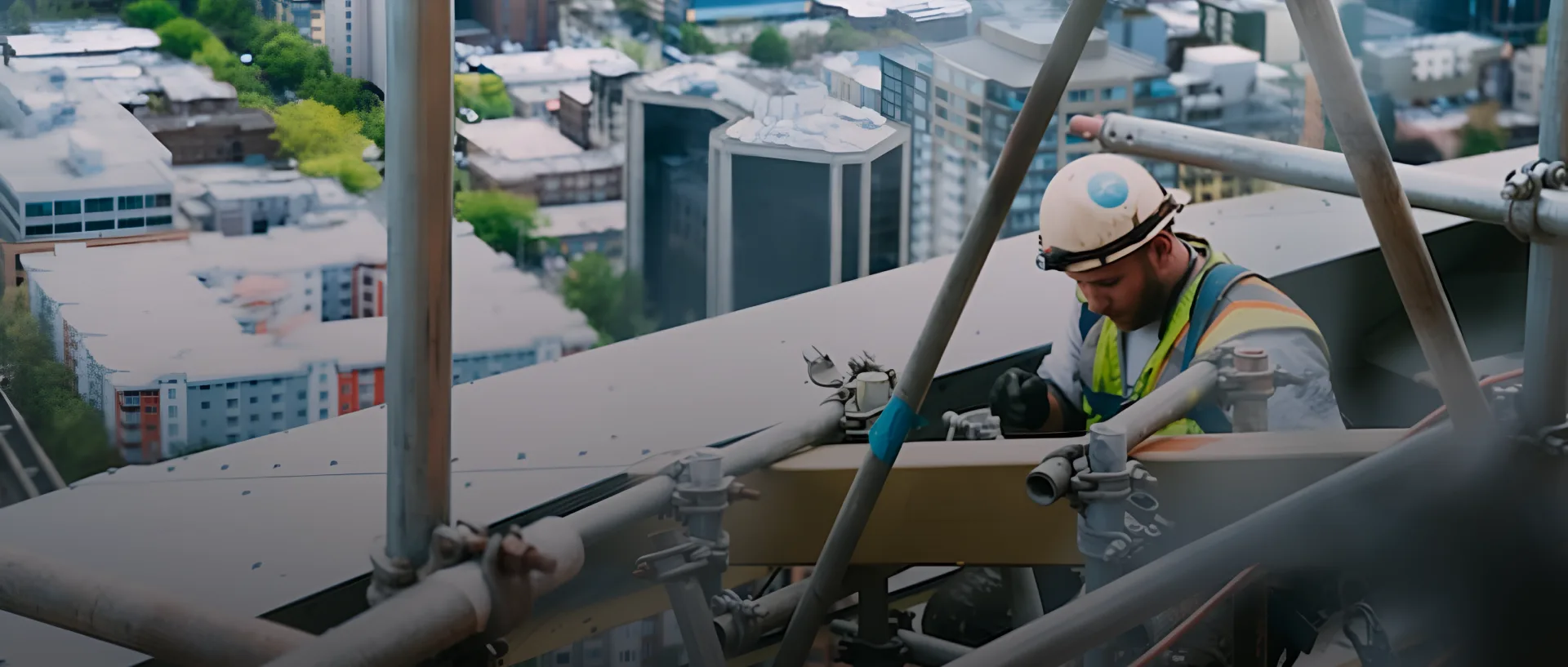
Job site safety isn’t optional—it’s essential.
Discover five critical safety practices every
construction team must follow to reduce risk, meet
compliance standards, and protect workers.
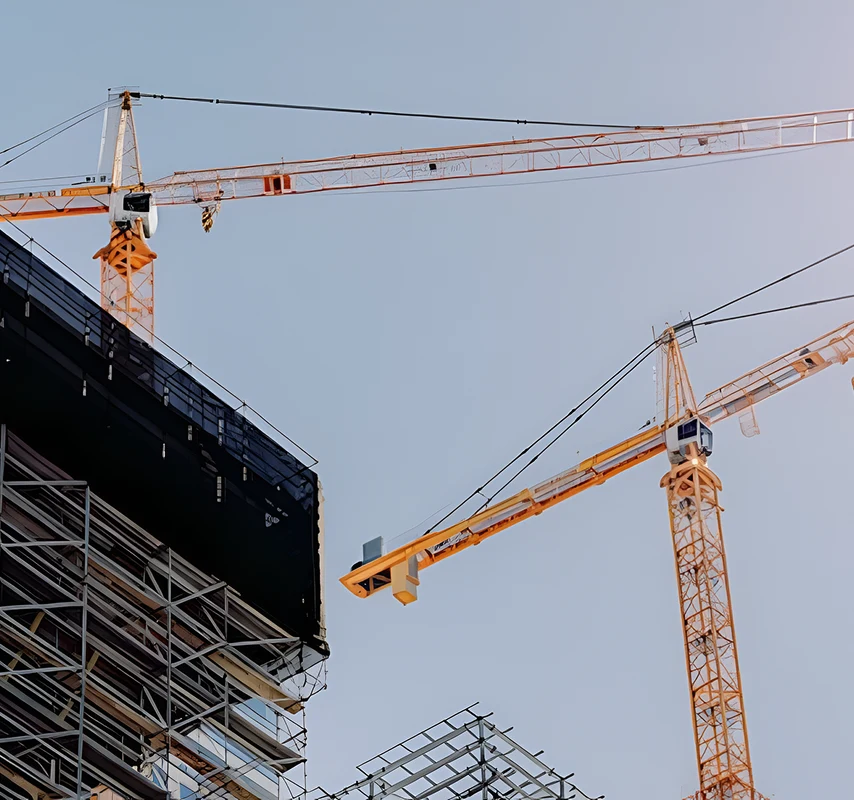
Modern construction relies on the right tools to
achieve speed, accuracy, and safety. We explore
today’s most trusted equipment—laser
measurers,automated lifts, electric saws, and more
that help teams stay productive and professional from
the ground up.
The industry is rapidly evolving with digital
advancement this blog cover how technologie like
Building Information Modeling (BIM), drones, 3D
printing, and augmented reality are transforming
project visualization.
From site preparation to final inspection construction
project follows a series of key phases. This article
breaks down each step in the process planning,
permitting, better understand how a vision becomes a
reality.







Michael Trent
- 12 Mar, 2024 10:22am
Reply
Orion Construction's insights are spot on. Budget planning was the hardest part of my own this level of guidance earlier. The breakdown of cost categories, plus the importance of contingency planning, is something most people overlook.
Reply