Technology has stopped being a “nice to have” in construction
— it’s now the backbone of safer, faster, greener, and more
predictable projects. From project inception to handover and
operations, modern tools reduce uncertainty, compress
schedules, and shift the industry from reactive trades to
proactive systems thinking. This blog explores the major
technologies reshaping construction today, how they’re used,
the benefits and challenges, and quick practical tips for
teams wanting to adopt them.
1) Building Information Modeling (BIM) & Digital Twins
BIM converts drawings into a live, data-rich model that
everyone — architects, engineers, contractors, owners — can
use. Digital twins extend BIM into the operational phase,
mirroring the real asset with live sensor and maintenance
data.
Clash detection & coordination: Detects
spatial conflicts before breaking ground, cutting rework and
RFIs.
Lifecycle data: Attach specs, warranties,
and O&M manuals directly to model elements for easier
handover.
Digital twin use-cases: Predictive
maintenance, energy optimization, and simulations
(evacuation, HVAC performance).
Fewer delays, trimmed contingency, and smarter FM (facility
management). A project that integrates BIM from design through
operation unlocks savings over the building lifecycle, not
just during construction.
2. Conduct a Feasibility Study
Before diving into budgets, evaluate whether your project is
feasible. A feasibility study assesses site conditions,
regulatory requirements, and market factors. It answers
crucial questions: Is the land suitable? What are the zoning
restrictions? How will utilities be managed? This step ensures
your budget isn’t wasted on a plan that can’t be built. By
understanding external factors upfront, you save time, money,
and avoid painful redesigns later.
2) Automation: Robotics, Drones & 3D Printing
Automation moves physically repetitive or dangerous work away
from humans and into machines — drones for inspection, robots
for repetitive tasks, and 3D printers for formwork or small
structural elements. This reduces human risk, enables 24/7
work cycles in constrained tasks, and lets highly-skilled
workers focus on complex decisions.
Drones: Rapid site surveys, progress
photos, volumetric stockpile measurements, and safety
inspections.
Robotics: Masonry-robots, concrete-placing
bots, and autonomous equipment for excavation and grading.
3D printing: Rapid prototyping for façade
pieces, bespoke formwork, and, increasingly, onsite concrete
components.
3) IoT, Sensors & Real-time Site Monitoring
The Internet of Things (IoT) turns static sites into connected
environments. Wearable tags, asset trackers, environmental
sensors (dust, humidity), and machine telematics stream
continuous data to dashboards. This real-time visibility
powers safer sites (proximity alerts, fatigue monitoring),
better resource allocation, and evidence for claims/analytics.
Worker safety: Wearables detect falls,
proximity to hazards, or long high-exertion periods.
Equipment telematics:Track utilization,
idle time, and predictive maintenance windows.
“Technology in construction doesn’t replace the craftsman —
it amplifies their skill. By weaving together digital
models, sensors, and automation we turn assumptions into
measured insight, cut rework and risk, compress schedules,
and deliver buildings that perform longer and cost less to
operate — a smarter way to build for people and the planet.”
Liam Ortega
- SiteSense Analytics
4) AI, Machine Learning & Data Analytics
AI turns mountains of historical and live data into actionable
insights — faster estimates, optimized schedules, and risk
flags before issues occur. It’s the decision accelerator for
complex, variable projects.
Estimating & cost control: ML models that
learn from past bids to suggest line-item costs and likely
overruns.
Schedule optimization: Algorithms that
evaluate sequencing alternatives, resource constraints, and
weather impacts.
Risk detection: Analyze emails, change
orders, and progress metrics to surface projects that need
intervention.
AI supports experienced teams — it doesn’t replace domain
knowledge. The best outcomes come when data scientists and
field experts collaborate.
Sustainability technologies are both regulatory responses and
productivity drivers. Offsite prefabrication and modular
construction reduce on-site waste, shorten schedules, and
improve quality. New materials and energy modeling tools
reduce embodied carbon and operational energy costs — critical
as owners demand green credentials.
Modular/prefab: Faster delivery, higher
factory quality, and reduced site disruptions.
Low-carbon materials: Engineered timber,
geopolymer cements, and recycled aggregates.
Energy modeling & performance tools:
Simulate envelope and MEP performance to hit net-zero
targets earlier in design.
Challenges & How to Overcome Them
Sustainability technologies are both regulatory responses and
productivity drivers. Offsite prefabrication and modular
construction reduce on-site waste, shorten schedules, and
improve quality. New materials and energy modeling tools
reduce embodied carbon and operational energy costs — critical
as owners demand green credentials.
Integration & data silos: Adopt open
standards (IFC, COBie) and insist vendors support
interoperability.
Skills gap: Invest in upskilling and pair
tech pilots with training programs. Start with a small,
measurable pilot.
Upfront cost & ROI fears: Focus on pilot
projects with clear metrics (rework hours saved, safety
incidents reduced, schedule days recovered) to prove value.
Change management: Engage field crews early
— tech that complicates workflows will be resisted.
Tools to Try (starter list)
Sustainability technologies are both regulatory responses and
productivity drivers. Offsite prefabrication and modular
construction reduce on-site waste, shorten schedules, and
improve quality. New materials and energy modeling tools
reduce embodied carbon and operational energy costs — critical
as owners demand green credentials.
BIM platforms: Revit, ArchiCAD (plus coordination tools like
Navisworks or Solibri).
Drones: DJI enterprise series for inspections & mapping.
IoT platforms: Proptech solutions offering wearables and
dashboards (choose based on integration).
Data & AI: Cloud BI dashboards (Power BI, Looker), and
emerging construction ML platforms for estimating and
schedule risk.
Prefab partners / modular yards: Local modular fabricators
or national providers depending on scale.
Conclusion
Technology in construction is not a single product — it’s an
ecosystem that amplifies good process and flattens out
uncertainty. When teams combine BIM and digital twins, apply
automation where it reduces risk, instrument work with IoT,
and use AI to turn data into foresight, projects become
faster, safer, cheaper, and greener. The practical route to
success is incremental: pick one pain point, pilot a solution
with real metrics, document ROI, then scale. The future-built
environment will be less chaotic and more intentional — and
tech is the scaffolding that will get us there.
Orion Construction's insights are spot on. Budget
planning was the hardest part of my own this level of
guidance earlier. The breakdown of cost categories,
plus the importance of contingency planning, is
something most people overlook.
Hi Michael — thanks so much! We’re glad the breakdown
helped. If you’d like, we can walk you through a
personalized budget plan for your next project — just
send us a message.
Excellent breakdown and very readable. The section
about engaging professionals early on really stood out
for me. I hired an architect late in the process and
it ended up costing more time and money. If I had read
this blog earlier, I would’ve handled the project
phases differently. It’s a fantastic resource,
especially for homeowners and small business owners
starting their first build.
I’m currently in the planning phase of a school
renovation project, and this blog post gave me so much
clarity. I’ve been overwhelmed by how many moving
parts are involved, especially when budgeting across
departments. The suggestion to break costs into
smaller categories and revisit them often is extremely
useful.
This piece is excellent — it breaks down a complicated
process into manageable steps. I especially
appreciated the timeline examples and the practical
checklist for each phase; following them helped me
avoid the common trap of overlapping trades and wasted
weekends. If you’re planning your first build, these
guidelines will save time and stress.
Wonderful, thoughtful guidance. The section on
choosing finishes and balancing aesthetics with cost
was a revelation — we changed a material choice
mid-project that preserved the look we wanted without
a major price jump. Also loved the tip about getting
sample boards early; that single step prevented a lot
of buyer’s remorse.
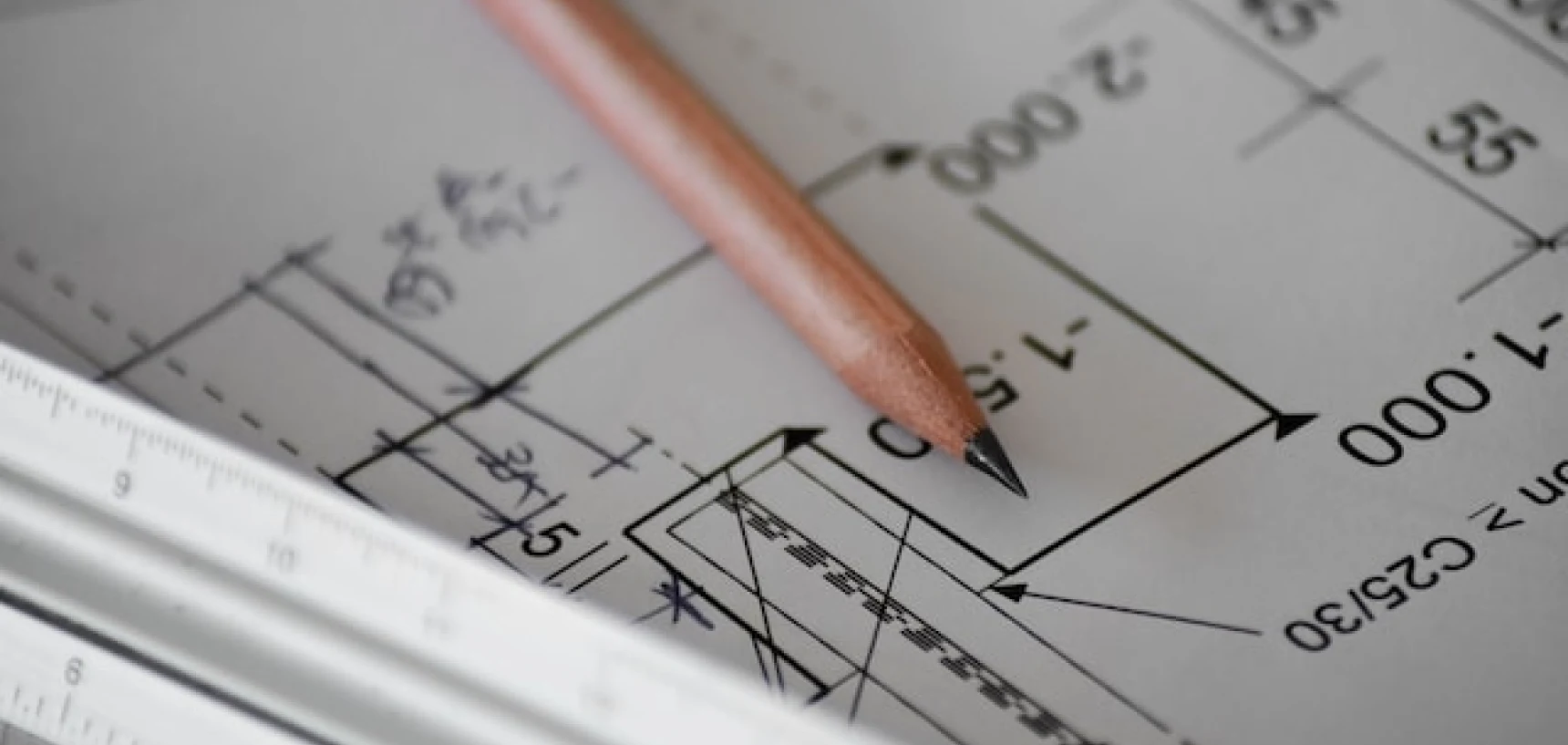
Planning is the foundation of every successful build.
This article walks you through the key steps to
developing a realistic project timeline, allocating
your budget efficiently, and preparing for unexpected
costs.
Understanding project costs upfront is crucial to
avoiding delays and overruns. Learn about the
different types of cost estimates, the most common
pricing models, and how to factor in labor, materials,
equipment, permits, and risk.
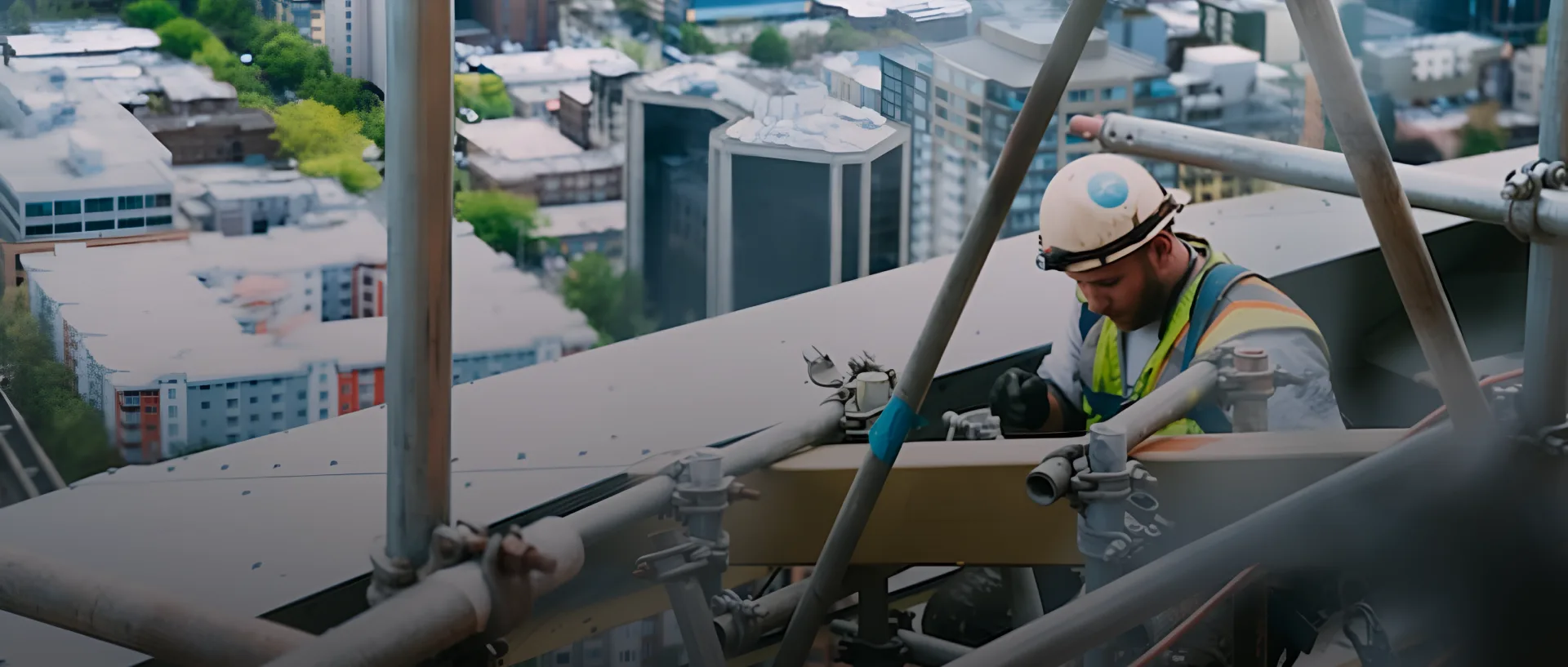
Job site safety isn’t optional—it’s essential.
Discover five critical safety practices every
construction team must follow to reduce risk, meet
compliance standards, and protect workers.
Modern construction relies on the right tools to
achieve speed, accuracy, and safety. We explore
today’s most trusted equipment—laser
measurers,automated lifts, electric saws, and more
that help teams stay productive and professional from
the ground up.
The industry is rapidly evolving with digital
advancement this blog cover how technologie like
Building Information Modeling (BIM), drones, 3D
printing, and augmented reality are transforming
project visualization.
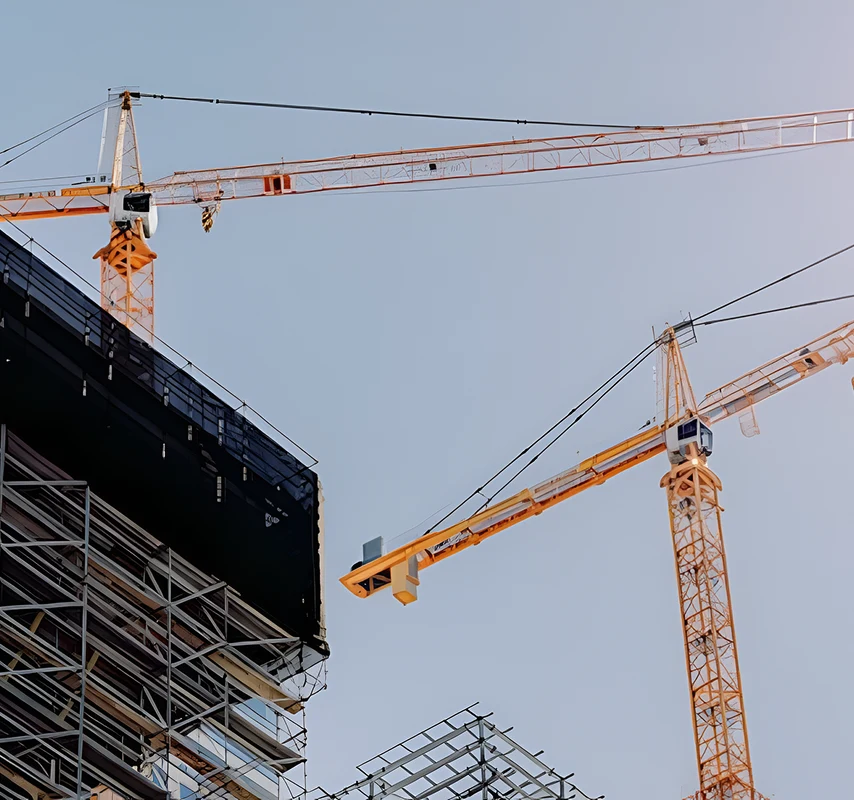
From site preparation to final inspection construction
project follows a series of key phases. This article
breaks down each step in the process planning,
permitting, better understand how a vision becomes a
reality.









Michael Trent
- 12 Mar, 2024 10:22am
Reply
Orion Construction's insights are spot on. Budget planning was the hardest part of my own this level of guidance earlier. The breakdown of cost categories, plus the importance of contingency planning, is something most people overlook.
Reply