On-site productivity is the single biggest lever to reduce
cost, shorten schedules, and improve quality on construction
projects. Small daily improvements — clearer briefings, better
logistics, smarter use of data, and empowered crews — compound
into large time and cost savings. Below are practical,
ready-to-use strategies presented in a mixed format: some
points are explained with short paragraphs (with actionable
sub-lists) and others are compact action lists you can put
into practice this week.
1. Set clear targets & short-term KPIs
Teams move faster when they know exactly what success looks
like each day and week. Define measurable productivity targets
(e.g., wall panels installed per day, % of planned tasks
completed each shift) and keep them visible on-site. Use
simple KPIs to focus effort and spot problems early instead of
waiting for weekly reports.
Publish daily and weekly targets on the site board.
Track actual vs planned tasks each shift.
Make small, immediate adjustments when a KPI slips — don’t
wait for the weekly meeting.
“Productivity on site isn’t about pushing harder — it’s
about removing the small frictions that steal hours from
every shift.
Liam Carter
- CraftWorks International
2. Daily huddles & short communication loops
Run 10–15 minute morning huddles at the workface to align
tasks, safety, and critical interfaces.
Use a single short agenda: today’s goals, top 2 risks,
resourcing/blockers.
End the day with a 5-minute closeout: what went well, what
needs fix tomorrow.
3. Plan the week, sequence the day
Good productivity is primarily planning: map the week so
deliveries, trades and inspections are sequenced to avoid
waiting. Break weekly plans into daily sequences (who does
what, when, where) and make logistics — deliveries, storage,
crane time — part of the plan, not an afterthought.
Produce a 7-day lookahead for all trades and plant.
Lock-in delivery windows and confirm 48 hours ahead.
Reserve laydown and crane times visibly in the schedule.
4. Right tools, kits & first-fix materials
Keep work crews supplied with task-specific kits (pre-cut
fixings, labelled components) to reduce trip time.
Use toolboxes and consumable point-of-use stations near the
workface.
Maintain an on-site spares list and minimum stock levels for
high-frequency items.
Moving repetitive, weather-sensitive or high-precision work
off-site reduces rework and site congestion. Prefab bathroom
pods, façade panels, and MEP racks can be installed rapidly
once the site sequence and tolerances are controlled. Early
design-for-manufacture decisions pay back in shorter site
durations.
Identify repeatable components during schematic design.
Agree tolerances and interface details with fabricators up
front.
Schedule on-site mock-ups or trial installs before batch
deliveries.
6. Digital coordination & real-time data
Use a simple cloud platform for drawings, RFIs, and
revisions so everyone has the latest info.
Use mobile punchlists to close defects quickly and avoid
repeat visits.
Consider simple visual dashboards for key site metrics
(progress, safety, deliveries).
7. Optimize site logistics & layout
A clear, efficient site layout reduces wasted motion.
Designate routes for deliveries, routes for pedestrians,
secure tool storage close to work areas and separate material
laydown zones. Think of the site as a small factory: work
cells, material flow, and minimal handling.
Map traffic flows and mark them clearly on site.
Position laydown yards to minimize carry distance to the
workface.
Create dedicated staging for daily materials (just-in-time
staging).
Use checklists for installers to self-verify before calling
inspection.
Record non-conformance causes and share lessons immediately.
Make rework metrics visible: hours lost and cause
categories.
9. Build a multi-skilled, empowered crew
Cross-trained crews reduce idle time when a specialist is
delayed. Invest in multi-skill training and give supervisors
permission to reassign tasks within competency limits.
Empowering teams to reorder minor tasks without management
approval speeds recovery from disruptions.
Provide short cross-skilling sessions for high-value
ancillary tasks.
Create simple competency matrices for each crew.
Delegate task-reassignment authority to lead hands with
clear guardrails.
Use short-term, measurable incentives (weekly bonuses for
meeting safe productivity targets).
Publicly recognise teams that solve persistent blockers or
reduce rework.
Run fortnightly improvement sprints: pick one problem, trial
a fix, measure result.
Capture and share small wins across sites.
Conclusion
Improving on-site productivity is less a single dramatic fix
and more a steady program of small, deliberate changes. When
teams set clear short-term targets, hold fast morning huddles,
and sequence work with a seven-day lookahead, they remove many
of the routine stoppages that silently erode progress. Pair
those habits with practical measures — right-first-time
quality checks, prefabrication where it reduces rework,
concise digital coordination and a thoughtful site layout —
and you transform the site from a reactive scramble into a
predictable, well-oiled operation.
People are the multiplier in every productivity move. Invest a
little time in cross-skilling, empower supervisors to clear
simple blockers immediately, and recognise small wins
publicly. Those cultural shifts reduce idle time, speed
decision-making, and create an environment where continuous
improvement becomes the norm rather than an occasional
program. Short, measurable incentives and fortnightly
improvement sprints keep momentum and make solutions
repeatable across trades and sites.
Orion Construction's insights are spot on. Budget
planning was the hardest part of my own this level of
guidance earlier. The breakdown of cost categories,
plus the importance of contingency planning, is
something most people overlook.
Hi Michael — thanks so much! We’re glad the breakdown
helped. If you’d like, we can walk you through a
personalized budget plan for your next project — just
send us a message.
Excellent breakdown and very readable. The section
about engaging professionals early on really stood out
for me. I hired an architect late in the process and
it ended up costing more time and money. If I had read
this blog earlier, I would’ve handled the project
phases differently. It’s a fantastic resource,
especially for homeowners and small business owners
starting their first build.
I’m currently in the planning phase of a school
renovation project, and this blog post gave me so much
clarity. I’ve been overwhelmed by how many moving
parts are involved, especially when budgeting across
departments. The suggestion to break costs into
smaller categories and revisit them often is extremely
useful.
This piece is excellent — it breaks down a complicated
process into manageable steps. I especially
appreciated the timeline examples and the practical
checklist for each phase; following them helped me
avoid the common trap of overlapping trades and wasted
weekends. If you’re planning your first build, these
guidelines will save time and stress.
Wonderful, thoughtful guidance. The section on
choosing finishes and balancing aesthetics with cost
was a revelation — we changed a material choice
mid-project that preserved the look we wanted without
a major price jump. Also loved the tip about getting
sample boards early; that single step prevented a lot
of buyer’s remorse.
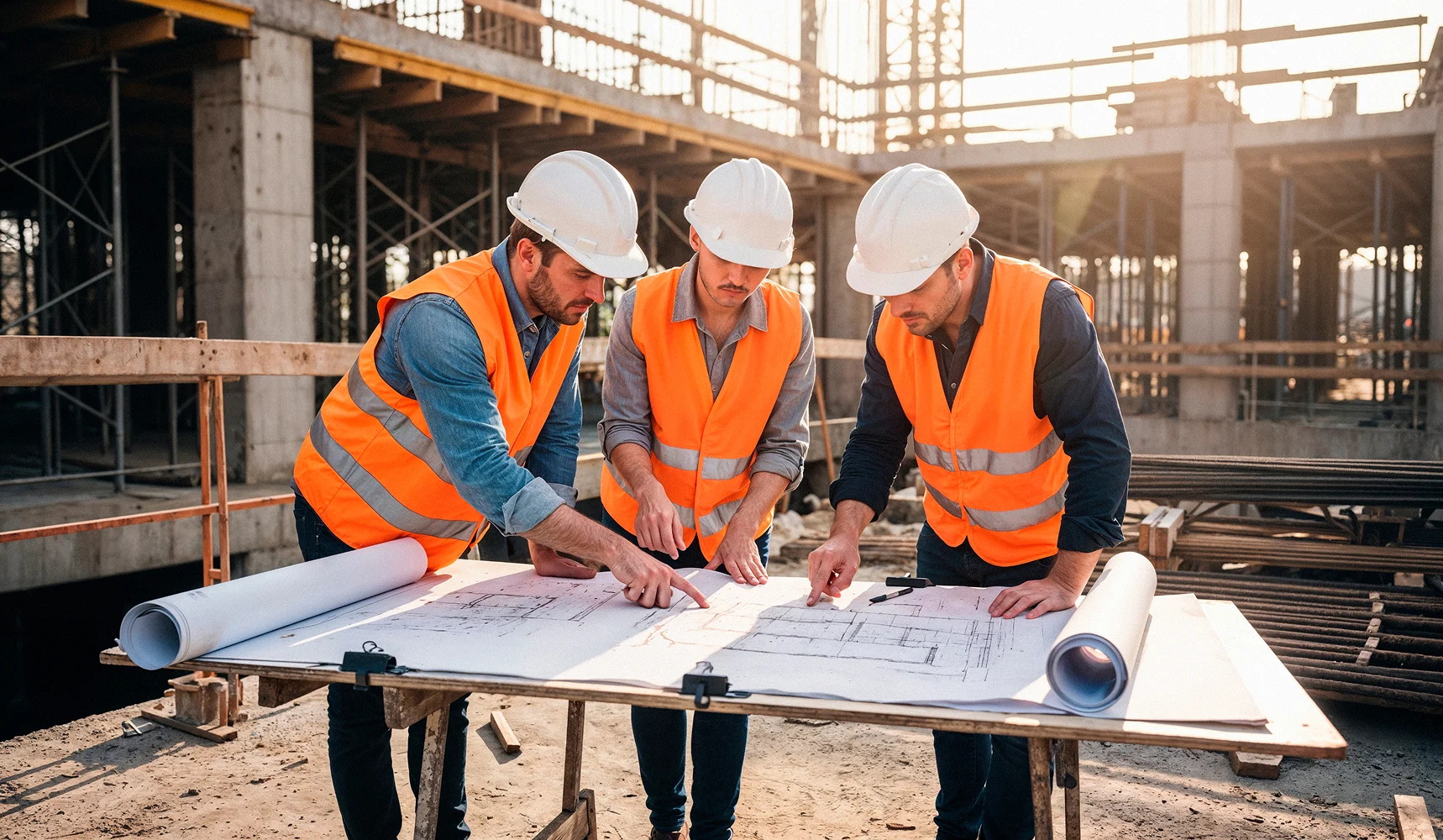
Planning is the foundation of every successful build.
This article walks you through the key steps to
developing a realistic project timeline, allocating
your budget efficiently, and preparing for unexpected
costs.
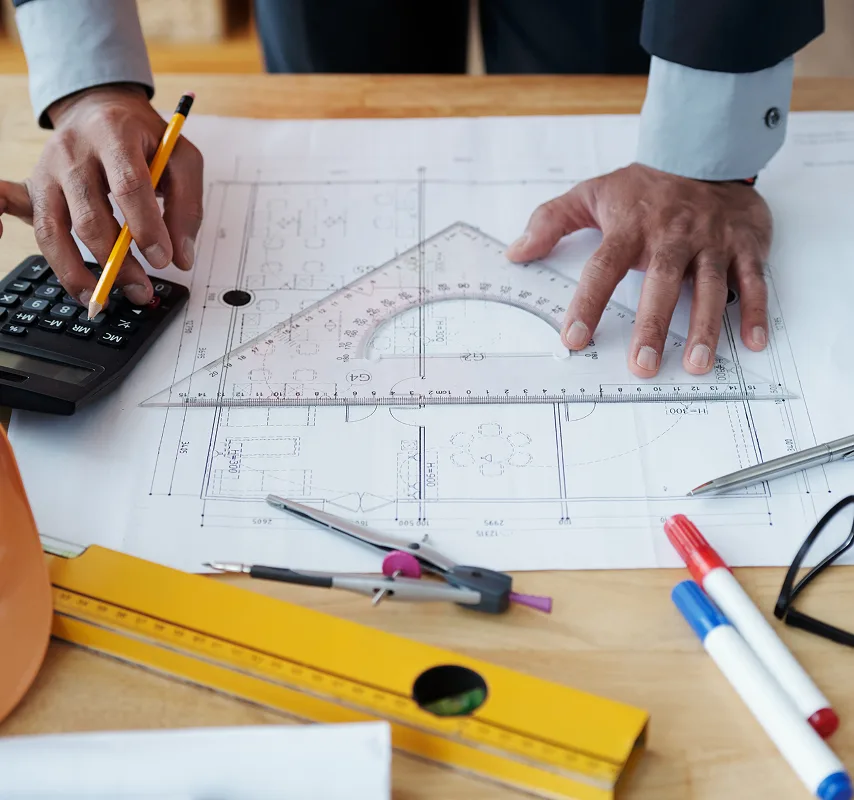
Understanding project costs upfront is crucial to
avoiding delays and overruns. Learn about the
different types of cost estimates, the most common
pricing models, and how to factor in labor, materials,
equipment, permits, and risk.
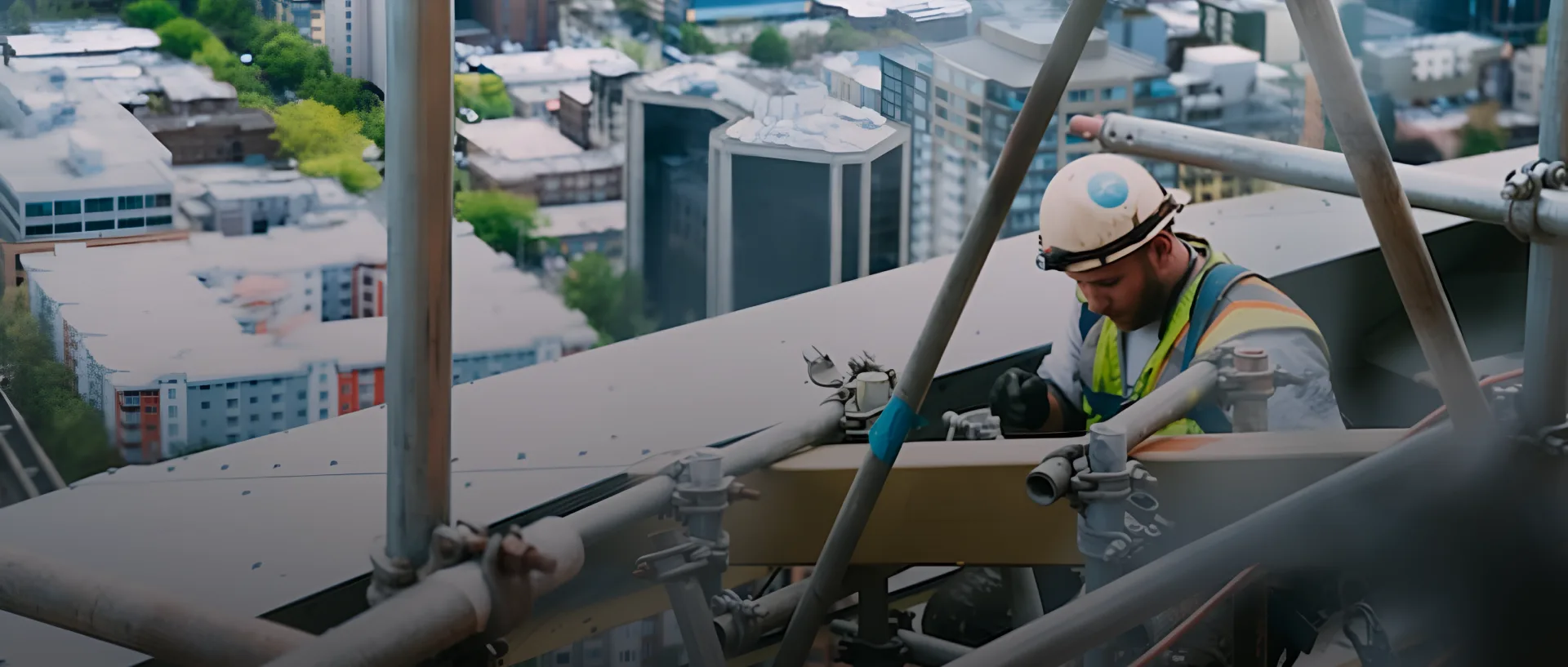
Job site safety isn’t optional—it’s essential.
Discover five critical safety practices every
construction team must follow to reduce risk, meet
compliance standards, and protect workers.
Modern construction relies on the right tools to
achieve speed, accuracy, and safety. We explore
today’s most trusted equipment—laser
measurers,automated lifts, electric saws, and more
that help teams stay productive and professional from
the ground up.
The industry is rapidly evolving with digital
advancement this blog cover how technologie like
Building Information Modeling (BIM), drones, 3D
printing, and augmented reality are transforming
project visualization.
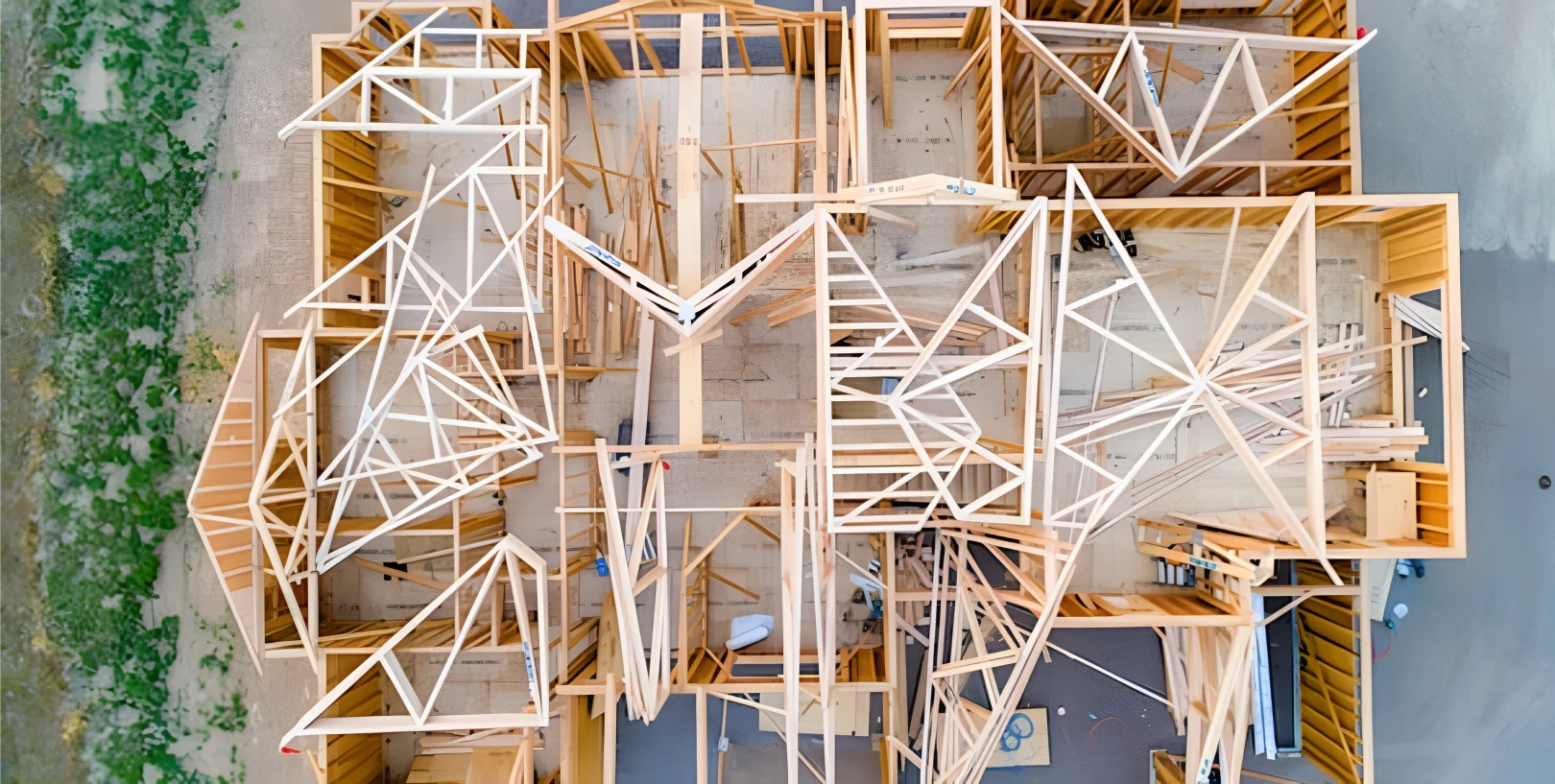
From site preparation to final inspection construction
project follows a series of key phases. This article
breaks down each step in the process planning,
permitting, better understand how a vision becomes a
reality.










Michael Trent
- 12 Mar, 2024 10:22am
Reply
Orion Construction's insights are spot on. Budget planning was the hardest part of my own this level of guidance earlier. The breakdown of cost categories, plus the importance of contingency planning, is something most people overlook.
Reply