Construction sites are fast-paced, complex environments where
multiple teams, heavy machinery, and critical deadlines come
together. With so much activity, risks are an unavoidable part
of the process. From small accidents to large-scale hazards,
even a minor oversight can lead to injuries, delays, or
serious financial losses.
A proactive approach to managing risks not only protects
workers but also ensures smoother workflows and long-term cost
savings. In today’s competitive construction industry, a
strong safety culture isn’t just a legal requirement it’s a
mark of professionalism, responsibility, leadership.
1. Identifying Hazards (Expanded Paragraphs)
Every successful risk management plan begins with identifying
hazards. Construction sites are filled with potential dangers
such as unprotected edges, moving vehicles, deep excavations,
falling materials, and harsh environmental conditions. Each of
these risks must be carefully assessed before work begins.
Managers should carry out detailed inspections at different
stages of the project. What may seem safe at the foundation
stage could become hazardous when multiple floors are added or
when electrical work starts. A written hazard log ensures that
no risk is overlooked and helps track corrective measures
taken over time.
2. Training and Awareness (Expanded List)
Training equips workers to recognize and respond to risks
before they turn into accidents. Some essential practices
include:
Comprehensive Safety Inductions: Every
worker must undergo an induction program explaining
site-specific risks, emergency exits, and rules.
Regular Toolbox Talks: Short meetings
before shifts help remind workers of daily safety priorities
and keep awareness sharp.
Practical Demonstrations: Beyond theory,
workers should practice correct use of machinery,
scaffolding, and safety gear.
Encouraging Hazard Reporting: Workers
should feel safe to report issues without fear of
punishment. Early reporting prevents bigger accidents.
Creating a Safety-First Culture: Safety
should be viewed as everyone’s responsibility, not just the
site manager’s. This builds accountability at all levels.
3. Proper Use of PPE (Expanded Paragraphs)
Personal Protective Equipment (PPE) is one of the simplest yet
most effective defenses against construction site risks.
Helmets, gloves, boots, goggles, and reflective jackets shield
workers from everyday hazards like falling tools, chemical
splashes, and sharp materials.
For high-risk tasks such as welding, demolition, or working at
heights, specialized gear like harnesses, respirators, and ear
protection is critical. However, PPE is only effective when
workers are trained to use it properly and wear it
consistently. Enforcing strict PPE policies not only saves
lives but also sets a professional standard across the
jobsite.
4. Machinery and Equipment Safety (Expanded List)
Construction sites rely heavily on machinery, and
equipment-related accidents can be deadly if not managed
properly. To reduce risks:
Routine Inspections and Maintenance:
Regular servicing ensures machines run safely without sudden
breakdowns.
Authorized Operators Only: Heavy equipment
like cranes or forklifts should only be operated by trained
and certified professionals.
Clear Danger Zones: Areas around moving
equipment must be marked with barriers and signage to keep
unauthorized people away.
Communication Systems: Operators and
ground staff should use signals, radios, or alarms to avoid
miscommunication during critical tasks.
Secure Storage: When machinery is not in
use, it must be shut down, locked, and stored safely to
prevent accidental activation.
Proper handling of machines not only prevents injuries but
also extends the equipment’s lifespan, saving costs over time.
5. Working at Heights (Expanded Paragraphs)
Falls remain the leading cause of construction fatalities
worldwide. Whether it’s scaffolding, ladders, or rooftops,
working at heights requires strict safety measures.
Guardrails, harnesses, safety nets, and properly secured
ladders are non-negotiable for protecting workers.
Daily inspections are equally important. Equipment that was
safe yesterday may be weakened today due to weather or
continuous use. Workers must also receive thorough training in
height safety techniques, since improper harness usage can be
as dangerous as not wearing one at all. A disciplined approach
ensures that work at heights does not turn into
life-threatening risks.
6. Hazardous Material Handling (Expanded List)
Many construction projects involve chemicals, paints,
adhesives, or other hazardous materials. Mishandling them can
result in severe injuries, poisoning, or fire hazards. Best
practices include:
Safe Storage Practices All chemicals
should be sealed and labeled clearly to avoid accidental
misuse.
Access to Material Safety Data Sheets (MSDS):
Workers must know the exact hazards and safe handling
methods for every chemical used.
Protective Gear for Workers: Gloves,
goggles, and respirators should be mandatory while handling
or applying hazardous substances.
Well-Ventilated Workspaces: Closed spaces
increase risks of inhalation; proper ventilation systems
must be in place.
Environmentally Safe Disposal: Hazardous
waste should be disposed of in line with government and
environmental regulations.
Following these measures ensures both worker safety and
environmental protection.
“Safety on construction sites is not just about preventing
accidents; it’s about building a culture where every worker
returns home safely each day.”
Daniel Cooper
- Techcraft solutions
7. Emergency Preparedness (Expanded Paragraphs)
No matter how well risks are managed, construction sites must
always be ready for emergencies. Fires, medical incidents, or
structural collapses can strike without warning. A clear and
practiced emergency response plan can mean the difference
between chaos and controlled safety.
Sites should have fire extinguishers, alarms, first-aid kits,
and trained emergency responders available at all times.
Regular evacuation drills train workers to respond calmly and
quickly, minimizing panic during real emergencies. By
preparing for the unexpected, construction managers create
confidence and trust among the workforce.
8. Continuous Monitoring (Expanded List)
Risk management is not a one-time effort but a constant cycle.
Ongoing monitoring ensures hazards are controlled effectively.
This includes:
Daily Walkthroughs: Supervisors should
inspect and record site conditions every day.
Accident and Near-Miss Logs: Documenting
incidents helps identify patterns and prevent repeat risks.
Reviewing Safety Procedures: Updating
rules regularly ensures they remain relevant as work
progresses.
Technology Use: Drones, AI cameras, and
sensors can help detect risks more accurately than manual
checks.
Feedback Systems: Workers’ input should be
considered in refining safety practices.
With continuous monitoring, risks are addressed before they
escalate, making sites safer and more efficient.FF
Conclusion
Managing construction site risks is about creating a balance
between productivity and protection. From hazard
identification to continuous monitoring, every step plays a
crucial role in reducing accidents and ensuring smooth
operations.
When risks are managed effectively, workers feel safe, morale
improves, and projects are completed on time without costly
interruptions. Safety is not just about compliance — it’s an
investment in efficiency, trust, and the long-term success of
every construction project.
Orion Construction's insights are spot on. Budget
planning was the hardest part of my own this level
of guidance earlier. The breakdown of cost
categories, plus the importance of contingency
planning, is something most people overlook.
Hi Michael — thanks so much! We’re glad the
breakdown helped. If you’d like, we can walk you
through a personalized budget plan for your next
project — just send us a message.
Excellent breakdown and very readable. The section
about engaging professionals early on really stood
out for me. I hired an architect late in the process
and it ended up costing more time and money. If I
had read this blog earlier, I would’ve handled the
project phases differently. It’s a fantastic
resource, especially for homeowners and small
business owners starting their first build.
I’m currently in the planning phase of a school
renovation project, and this blog post gave me so
much clarity. I’ve been overwhelmed by how many
moving parts are involved, especially when budgeting
across departments. The suggestion to break costs
into smaller categories and revisit them often is
extremely useful.
This piece is excellent — it breaks down a
complicated process into manageable steps. I
especially appreciated the timeline examples and the
practical checklist for each phase; following them
helped me avoid the common trap of overlapping
trades and wasted weekends. If you’re planning your
first build, these guidelines will save time and
stress.
Wonderful, thoughtful guidance. The section on
choosing finishes and balancing aesthetics with cost
was a revelation — we changed a material choice
mid-project that preserved the look we wanted
without a major price jump. Also loved the tip about
getting sample boards early; that single step
prevented a lot of buyer’s remorse.
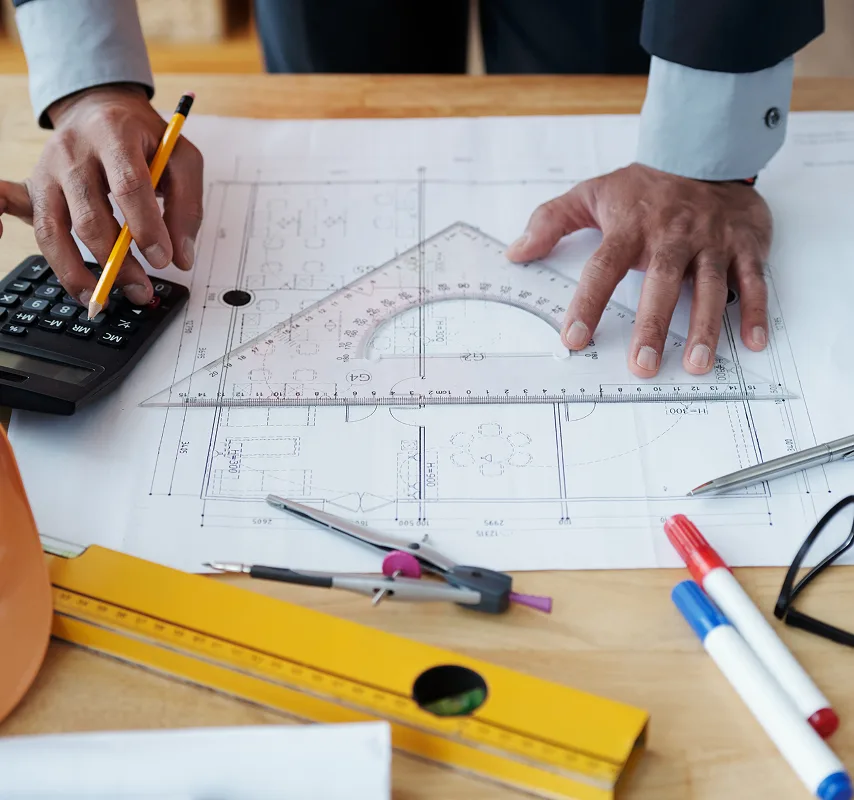
Planning is the foundation of every successful build.
This article walks you through the key steps to
developing a realistic project timeline, allocating
your budget efficiently, and preparing for unexpected
costs.
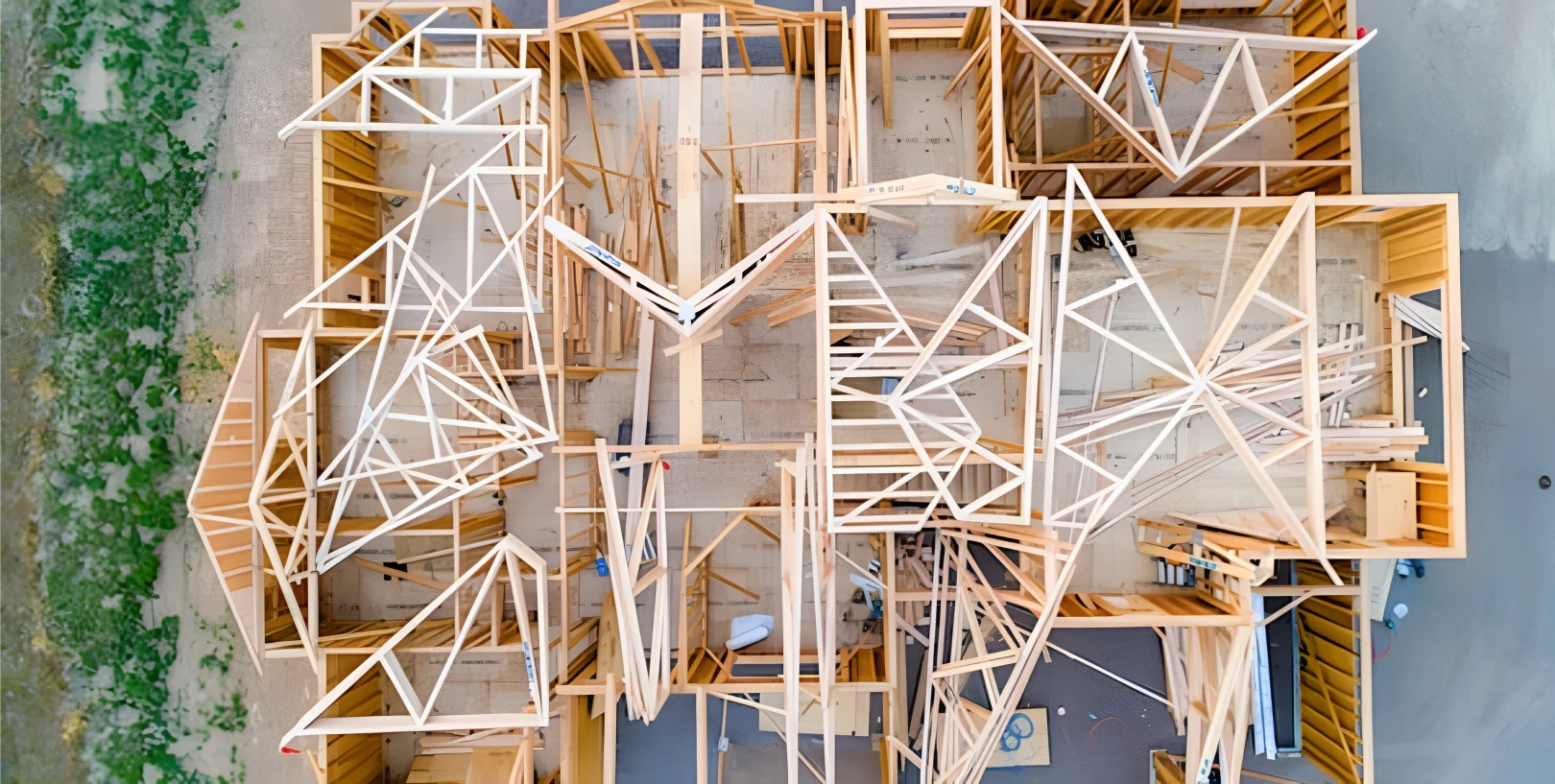
Understanding project costs upfront is crucial to
avoiding delays and overruns. Learn about the
different types of cost estimates, the most common
pricing models, and how to factor in labor, materials,
equipment, permits, and risk.
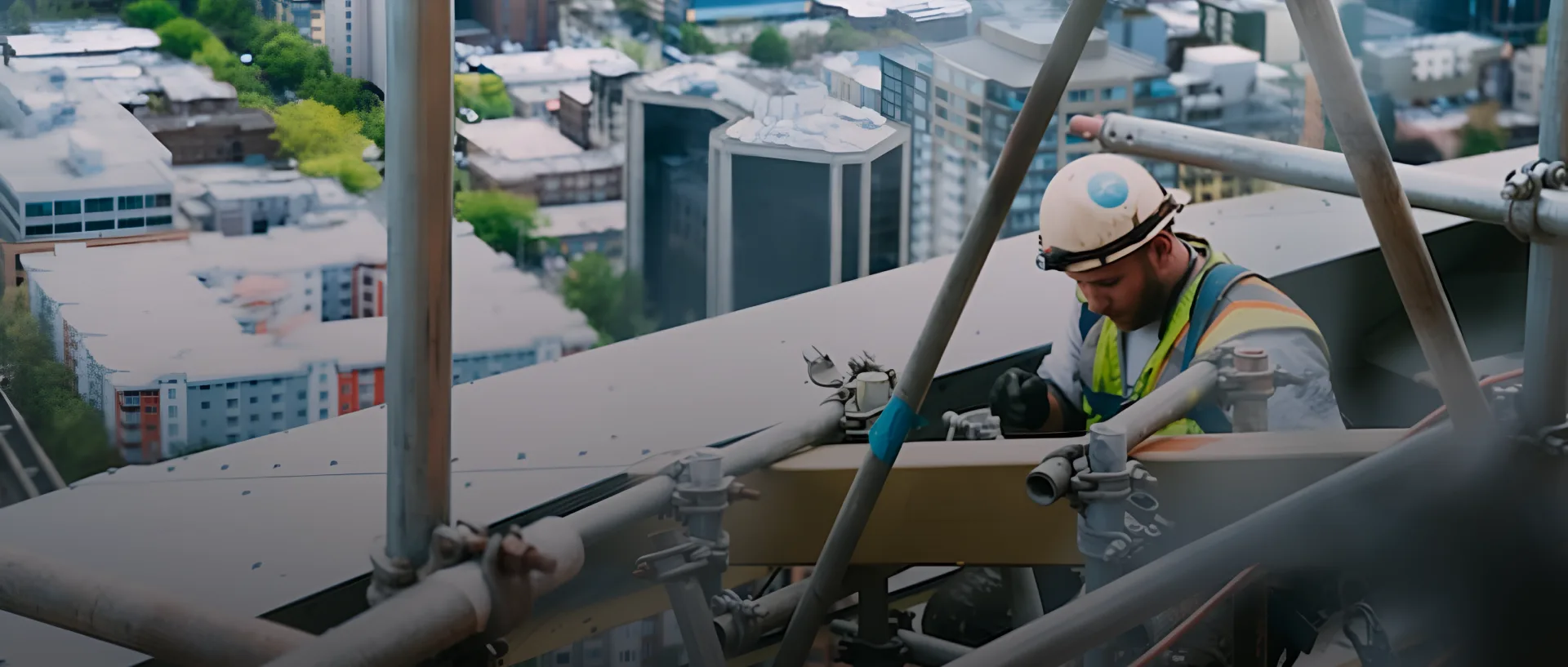
Job site safety isn’t optional—it’s essential.
Discover five critical safety practices every
construction team must follow to reduce risk, meet
compliance standards, and protect workers.
Modern construction relies on the right tools to
achieve speed, accuracy, and safety. We explore
today’s most trusted equipment—laser
measurers,automated lifts, electric saws, and more
that help teams stay productive and professional from
the ground up.
The industry is rapidly evolving with digital
advancement this blog cover how technologie like
Building Information Modeling (BIM), drones, 3D
printing, and augmented reality are transforming
project visualization.
From site preparation to final inspection construction
project follows a series of key phases. This article
breaks down each step in the process planning,
permitting, better understand how a vision becomes a
reality.







Michael Trent
- 12 Mar, 2024 10:22am
Reply
Orion Construction's insights are spot on. Budget planning was the hardest part of my own this level of guidance earlier. The breakdown of cost categories, plus the importance of contingency planning, is something most people overlook.
Reply